

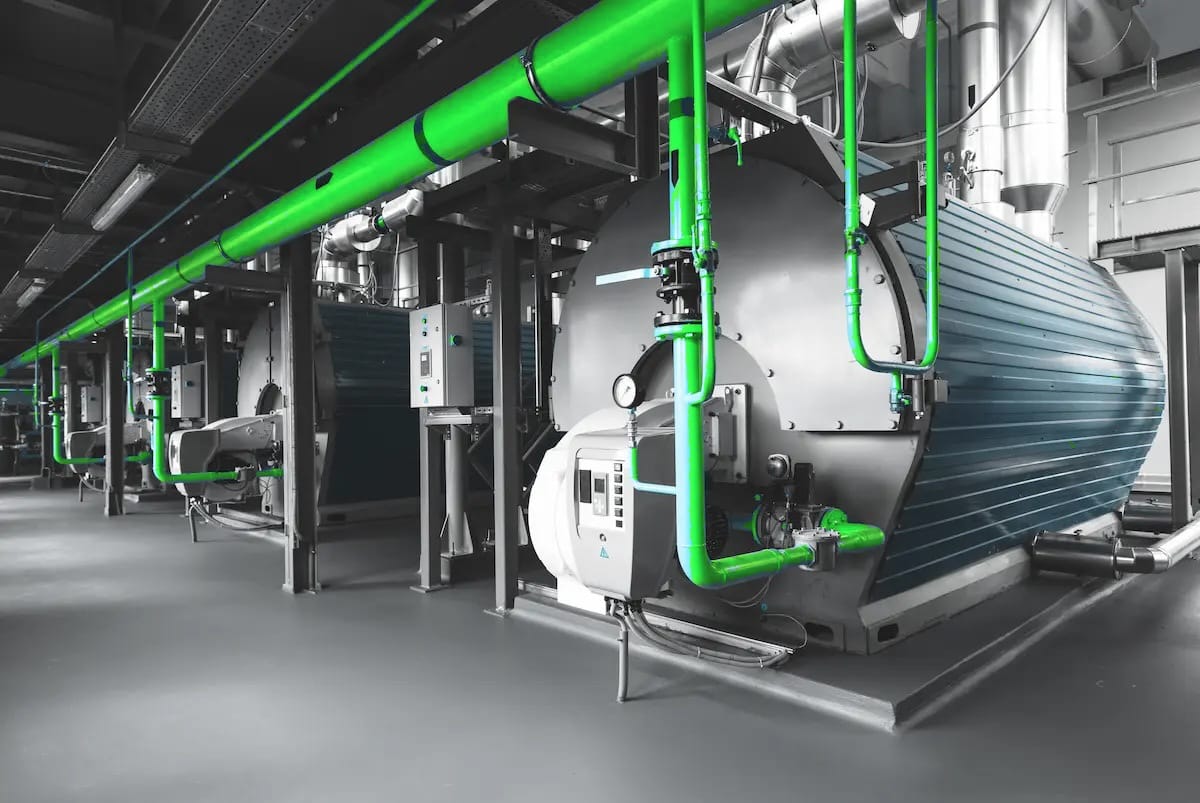
New York City building owners are heading into spring under intense pressure. A colder-than-normal winter drove up heating oil consumption and costs, while Local Law 97 (LL97) carbon caps and fines now threaten many properties that are still dependent on fossil fuel heat. LL97 sets annual greenhouse gas emissions limits for most NYC buildings over 25,000 square feet, with the first caps now in effect and tighter ones coming in 2030. Buildings that emit above their cap face an annual fine of $268 per metric ton of CO₂-equivalent over the limit, plus penalties for late or missing reports.
This past winter’s prolonged cold snaps forced heating systems to run longer and harder, driving higher fuel usage and utility bills across New York. When a building is still burning conventional heating oil, that extra consumption translates directly into higher on-site emissions, pushing many properties closer to—or over—the LL97 caps. On top of that, geopolitical instability, including conflict involving Iran, has added volatility and upward pressure to global oil markets, feeding into higher delivered heating oil prices. For owners already squeezed by operating budgets and capital needs, a winter of elevated prices and volumes can mean less cash for efficiency upgrades just as LL97 fines begin to bite.
Industry analyses suggest that thousands of NYC properties are at risk of failing LL97 limits in the coming years, even if they invest in conventional efficiency measures or purchase some renewable energy credits. Because LL97 fines recur annually and tighten with future caps, owners that stay on high-carbon fuels risk turning noncompliance into a recurring operating line item instead of a one-time fix. In theory, a full switch to electric heat or modern heat pumps would dramatically cut onsite emissions, but in practice many NYC buildings face serious constraints—limited electrical capacity, expensive service upgrades, tenant disruption, and long lead times to design and install new central heating systems.
Cleaning Up Oil Instead of Replacing It
City and state policy have increasingly focused on decarbonizing liquid fuels—mandating low-carbon blends like Bioheat—because not every building can abandon boilers in the near term. For oil-reliant properties, switching the fuel in existing equipment is often the fastest way to reduce their emissions profile without a gut renovation of mechanical systems. That’s where Truburn® comes in. Truburn® is a renewable heating oil produced from recycled vegetable cooking oil, designed as a drop-in replacement for traditional No. 2 and No. 4 heating oil. Also, lifecycle analysis indicates it can reduce greenhouse gas emissions by 93%, and it is 74% effective at reducing LL97 fines.
Because Truburn®’s lifecycle emissions are dramatically lower than petroleum-based oil, buildings that convert can cut the carbon attributed to their space heating without changing their boilers or distribution systems. For LL97 reporting, that reduction in effective emissions per gallon directly lowers the calculated tons of CO₂-equivalent, shrinking or eliminating potential fines at the standard $268-per-ton penalty rate. NYC fuel distributors partnered with Truburn® can deliver the product using the same trucks, fill connections, and ordering procedures building owners use today for conventional oil. Existing oil-ready systems typically require only minor burner adjustments or, in some cases, no mechanical modifications at all—avoiding the six- and seven-figure capital projects associated with full electrification.
Unlike many decarbonization options that carry a price premium, Truburn® is being sold to NYC customers at or below prevailing heating oil prices through its local distribution partners. That means owners can upgrade their emissions profile and mitigate LL97 exposure without increasing their per-gallon fuel cost, turning compliance from a pure cost center into an operational swap.
Truburn® Is Heating Buildings in Manhattan Right Now
This is a real building in Manhattan burning Truburn® today. Watch the clean, renewable fuel in action—powering heat for a New York City property with 93% fewer carbon emissions than conventional heating oil.
A growing number of New York City buildings—including commercial properties and multi-family residences—have already adopted Truburn® for space heating under recently expanded distribution agreements. These early adopters are using the fuel to future-proof against tightening LL97 caps while avoiding the disruption of major mechanical overhauls or large tenant-facing projects.
Why Spring Is the Moment to Act
Spring and early summer are the ideal windows to plan and execute fuel transitions, because buildings have lower heating demand and service providers have more flexibility for site visits and burner tuning. Locking in a Truburn® supply arrangement now positions a building to enter the 2026–2027 heating season with a significantly lower emissions factor, reducing the risk of surprise LL97 penalties next year. For owners caught between harsh winters, volatile oil markets, and aggressive LL97 carbon caps, the most practical near-term move is often not a radical system overhaul but a smarter fuel choice. By switching their existing oil-ready systems to Truburn® before next heating season, NYC buildings can materially cut emissions, stabilize compliance risk, and protect operating budgets in one integrated step.
Come See Truburn® Live — Schedule Your Tour
Want to see Truburn® in action? We invite NYC building owners and managers to tour an active Truburn®-powered building in Manhattan and see firsthand how easy the transition is.
Get in touch with Lifecycle Renewables:
- 📞 Call us: 888-461-9831
- 📧 Email: truburn@lifecyclerenewables.com
- 🌐 Website: truburnfuel.com
Sources & References
1. New York Times, “January Winter Storm Cold Snap Heat Bills,” February 2026. nytimes.com
2. Urban Green Council, “Local Law 97.” urbangreencouncil.org
3. NYC Department of Buildings, “Greenhouse Gas Emissions Reductions Violations.” nyc.gov
4. New York Department of Public Service, “Energy Supply Outlook 2025–2026.” dps.ny.gov
5. NYC Accelerator, “LL97 Resources.” accelerator.nyc
6. Energo, “How NYC Compliance Laws Shape Long-Term Heating Fuel Planning.” energo.com
7. REBNY, “Local Law 97 Fines Report.” rebny.com
8. Aeroseal, “Local Law 97 FAQ.” aeroseal.com
9. Envigilance, “Local Law 97 Penalties.” envigilance.com
10. Advanced BioFuels USA, “Lifecycle Renewables Partners with East Coast to Distribute Truburn® in NYC.” advancedbiofuelsusa.info
11. The Mobile Broker, “Local Law 97 Penalties: NYC Owners Guide.” themobilebroker.net
12. Truburn® by Lifecycle Renewables, “Laws and Legislation.” truburnfuel.com
